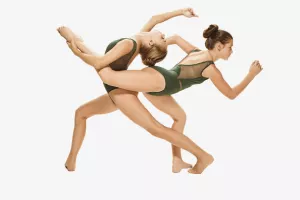
Classical Ballet training for children
Professional Training Classical Children's Ballet in Madrid Centro.

Classical Ballet training for children

Professional training in children's classical ballet in Madrid.

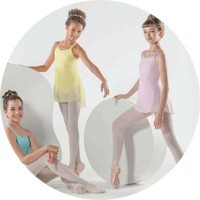
The Professional training in Classical Ballet for girls, boys, and teenagers brings together all the disciplines needed to train as a professional dancer. Our classes teach technique, strength, flexibility, and artistic expression, guided by qualified teachers who support students at every stage.

Training is based on the Vaganova Method, renowned for its precision and full-body coordination. This method develops graceful movements, elegant posture, and complete control, preparing students for auditions and performances.

The program includes participation in at least 8 performances per year and paid internships from the final year as a dancer or teacher, adding real experience to each student’s professional journey.

In addition, the dual training ensures a contract with Social Security registration during the final year, and each discipline is completed with theoretical and practical exams, including classical ballet and anatomy applied to dance.

Awards.

Awarded for Professional Excellence.

Gold Medal for Merit at Work.

Vocational Training Program

Age and Duration

From 10 to 18 years old.
Each level (Elementary, Intermediate, Advanced) lasts approximately three academic years, from September to June. The full program covers all levels.

Evaluation Criteria

Continuous assessments and a final theoretical and practical exam.

Certification

Private certification endorsed by Factory Ballet Madrid and all its teachers.

Disciplines and Complements

  • Classical Ballet
  • Repertoire
  • Pas de deux
  • Pointe work
  • Men’s technique
  • Contemporary
  • P.T.B. (Progressing Ballet Technique)
  • Flexibility
  • Audition preparation (attitude, emotional training, self-control)
  • Technique, choreography, and repertoire for auditions

Entrance Exams and Evaluation

  • Applicants wishing to enter the 1st year must attend an interview in person or via video call.
  • Students who wish to enter the 4th, 5th, or 6th pre-professional year must pass the corresponding technical level assessment.
  • The process includes a personal interview, which may be conducted in person or via video call.

Interview period: May 4 to June 19, 2026 (until places are filled). Send applications to: contacto@factoryballet.com

Type of Audition

For applicants located in Madrid: the audition is in person. For applicants outside Madrid: the audition is conducted online.

In both cases, applicants must send an artistic CV, photos or video, and wait for the confirmation email with the date and time of the interview or audition.

Date and Location

Date: July 6, 2026
Time: 9:30
Age: 12 to 18 years old
Required level: intermediate beginner, intermediate, and advanced
Location: C/ Santa Hortensia, 23 - Factory Ballet company headquarters
Pre-selection: send CV, video, and photos

Why choose Factory Ballet.

At Factory Ballet Madrid we offer complete and professional training, tailored to each student, with personalized follow-up and individual tutoring. Our goal is to prepare students for auditions, competitions, and professional life in dance, combining technique, repertoire, and practical experience.

Ballet and Dance Department

Manages schedules, curriculum, personalized tutoring, scholarships, auditions, competitions, and performance dates.

Audiovisual Department

Records classes and performances; produces audiovisual material for events. In the final year, you will create your video CV and photo portfolio.

Costume Department

Provides comfortable and professional costumes for the Company.

Administrative Department

Manages all procedures related to the Company and organizes performance dates.

SCHEDULE F.P CHILDREN'S BALLET

Location 1 · C/ Sta. Hortensia, 23 · Chamartín

1st Classical Ballet (6–7 years old)

Tuesday
Classical Ballet
17:30–18:30
Thursday
Classical Ballet
17:30–18:30

2nd Classical Ballet (8–10 years old)

Monday
Classical Ballet
17:30–18:30
Wednesday
Classical Ballet
17:30–18:30

3rd Classical Ballet (+10 years old)

Entry by level assessment
Tuesday
Classical Ballet
17:30–19:00
Thursday
Classical Ballet
17:30–19:00
Friday
Pointe work
17:30–18:30
Classical Ballet
18:30–20:00

4th Grade

Entry by level assessment
Monday
Contemporary Dance
17:30–18:30
Tuesday
Classical Ballet
17:30–19:00
Wednesday
Contemporary Dance
17:30–18:30
Thursday
Classical Ballet
17:30–19:00
Friday
Pointe
17:30–18:30
Classical Ballet
18:30–20:00

5th Grade

Entry by level assessment
Monday
Contemporary Dance
17:30–18:30
Tuesday
Classical Ballet
18:00–19:30
Wednesday
Contemporary Dance
17:30–18:30
Thursday
Classical Ballet
18:00–19:30
Friday
Pointe
17:30–18:30
Classical Ballet
18:30–20:00
Saturday
Acrobatics
9:30–10:30
Classical Ballet
11:00–12:30
Stage Workshop
12:30–14:00

6th Grade Classical Ballet

Entry by level assessment
Monday
Contemporary Dance
17:30–18:30
Classical Ballet
18:30–20:00
Tuesday
Pointe work
18:00–19:30
Repertoire
19:30–20:00
Wednesday
Contemporary Dance
17:30–18:30
Classical Ballet
18:30–20:00
Thursday
Pointe work
18:00–19:30
Repertoire
19:30–20:00
Friday
Classical Ballet
18:30–20:00
Repertoire - Boys Technique
20:00–20:30
Saturday
Acrobatics
9:30–10:30
Classical Ballet
11:00–12:30
Stage Workshop
12:30–14:00

Registration

School calendar

Frequently Asked Questions about Classical Ballet Training for Children and Youth in Madrid

It is a structured classical ballet training program based on the Vaganova Method, organized into Elementary Grade, Middle Grade, and Advanced Grade, allowing a progressive technical development from beginner to advanced levels.

The pathway begins in Elementary Grade (1st year from ages 6 to 7 with no level assessment, 2nd year with level assessment, and 3rd year from age 10). From there, students continue through Middle Grade and Advanced Grade up to age 18.

Entry into the 1st year does not require an assessment. From the 2nd year onwards, a level assessment is carried out to evaluate technique, coordination, and placement, ensuring the student is correctly placed within the Vaganova Method.

From Middle and Advanced Grade onwards, the training becomes more technical and demanding within the Vaganova Method, with more specific preparation focused on the artistic and stage development of the student.

At advanced levels, some students with higher technical development may join the school company or take part in stage internships, as well as being prepared for national and international classical ballet competitions.

The goal is to develop a strong foundation in classical technique, working on discipline, musicality, body control, and consistency under the Vaganova Method, with a structured progression by levels.

The level assessment ensures that each student is placed in the appropriate group, promoting a balanced and coherent technical progression within the Vaganova Method.

It allows structured technical development, level-based progression, gradual stage preparation, and a solid foundation in classical ballet for children and teenagers.

Yes, it is designed to support the student’s development from beginner to advanced levels, offering continuous progression within classical ballet.

Benefits of Professional Classical Ballet Training for Children and Teenagers

  • Access through level assessment and audition: All students enter the pre-professional training (4th, 5th, and 6th Grade) through auditions and level assessments that ensure proper placement within the group.
  • Training from age 10 to 18: A complete pathway focused on technical and artistic progression within pre-professional classical ballet.
  • Adaptation to different levels: Groups are organized according to experience, allowing both students with technical foundations and new trainees to join.
  • Development of strong classical technique: Progressive work on alignment, coordination, strength, placement, and body control specific to classical ballet.
  • Musicality and body awareness: Development of rhythm, musical listening skills, and precision in movement execution.
  • Professional discipline and methodology: Structured training that fosters consistency, effort, and academic dance habits.
  • Participation in performances and galas: Regular stage experience that complements the student’s technical and artistic training.
  • Progression toward advanced training: Preparation for professional studies, conservatories, or auditions for dance companies.

I recommend you also watch this video.

STUDENTS.
0

To see the content, start section with your username

Search again what you are looking for