Professional training in classical ballet and its disciplines
Categories :
Articles about Classical Ballet
Share this content
The classic ballet, with its demanding technique, is one of the most revered and challenging forms of art that exist. Behind every dazzling performance and every seemingly effortless movement, there are years of arduous training and dedication.
The professional training in classical ballet is a rigorous path that requires discipline, sacrifice and an unwavering passion for dance. Professional training in classical ballet is a rigorous and systematic process that prepares dancers for a career in the world of ballet. This training includes not only the classical ballet technique, but also complementary disciplines essential for the integral development of the dancer. Among these disciplines are contemporary dance, improvisation, acting, the history of dance, anatomy applied to dance and music for dancers.
Through this program, students acquire technical, artistic and theoretical skills that allow them to accurately execute the classic movements, interpret roles with emotional depth and understand the historical and cultural context of the works they interpret. The training also encourages the discipline, dedication and physical and mental resistance necessary for a professional career in ballet.
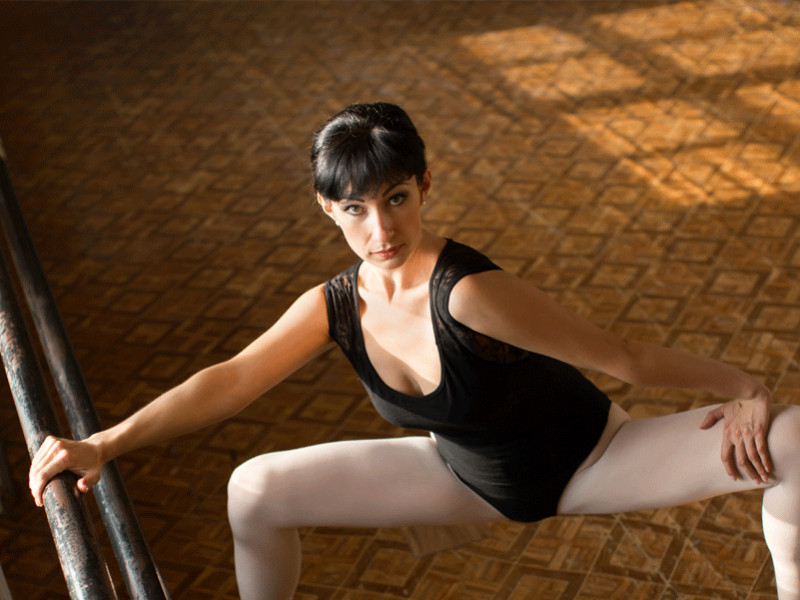
At the heart of classical ballet training is technique, a series of precise and elegant movements that require strength, flexibility and control. Professional dancers spend hours perfecting basic positions, such as plié and tendu, which form the basis of their entire repertoire. Every detail, from the position of the arms to the placement of the feet, is carefully studied to achieve the fluid and effortless appearance that defines classical ballet.
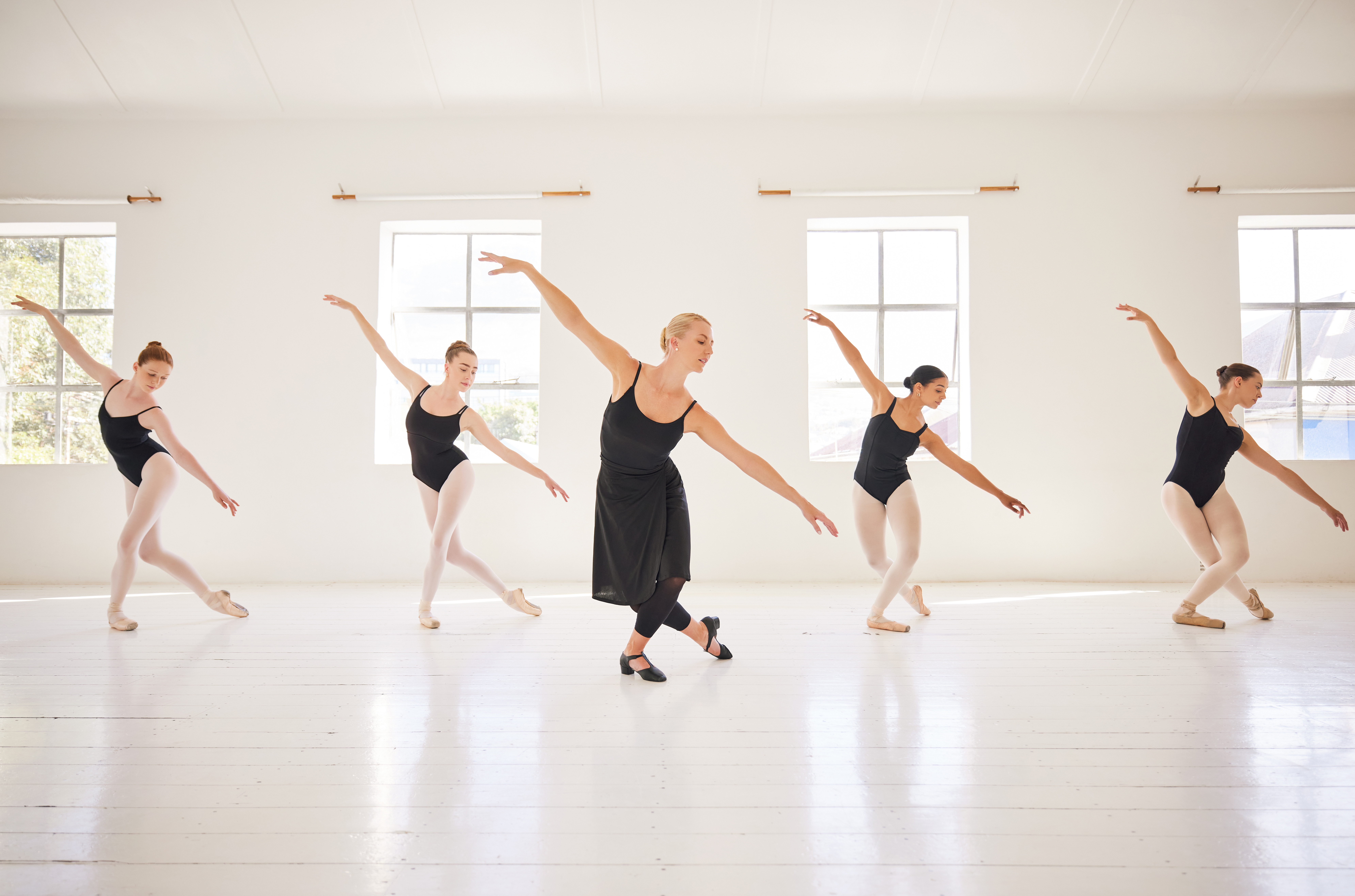
Discipline is another fundamental pillar of ballet training. professional dancers follow strict training schedules, which often begin at an early age. The long hours in the studio are necessary to perfect the skills necessary to stand out on stage. From bar work to choreography rehearsals, every moment is dedicated to polishing and improving the art of dance.
In addition to the classical ballet technique itself, professional dancers often study complementary disciplines to improve their performance and reduce the risk of injury. Contemporary dance, for example, allows dancers to explore more fluid and expressive movements that they can apply to their work in classical ballet. Yoga and Pilates are popular for their ability to improve strength, flexibility and posture, all essential elements for a dancer.
Nutrition and body care are also key aspects of professional training in ballet. Dancers must maintain a balanced diet to ensure that they have the necessary energy for long hours of practice and to keep their bodies in the best possible shape. Proper rest and recovery techniques are equally important, since classical ballet is physically demanding and can lead to injuries if not handled carefully.
The ultimate goal of the classical ballet training is, of course, the stage. Professional dancers spend years perfecting their skills to have the opportunity to shine in front of audiences around the world. From the largest theaters to the most intimate stages, classical ballet takes viewers to a world of beauty and excitement.
But the path to the stage is not easy. Competition in the world of ballet is fierce, and dancers must face rigorous auditions and long seasons of rehearsals. Only the most dedicated and talented manage to achieve the status of professional dancers, and even so, hard work never ends. The constant search for perfection and the ability to take on challenging roles keep dancers in a state of continuous improvement throughout their careers.
Professional training in classical ballet is a journey of self-discovery, discipline and passion. The dedicated dancers immerse themselves in a world of technique and art, working tirelessly to reach new heights in their career. From the first steps at the bar to the brightness of the stage lights, classical ballet remains one of the most beautiful and challenging forms of art in the world.
Share this content
Related posts
Classical ballet in adults in Madrid and its benefits.
Published :
01/22/2024 19:14:40
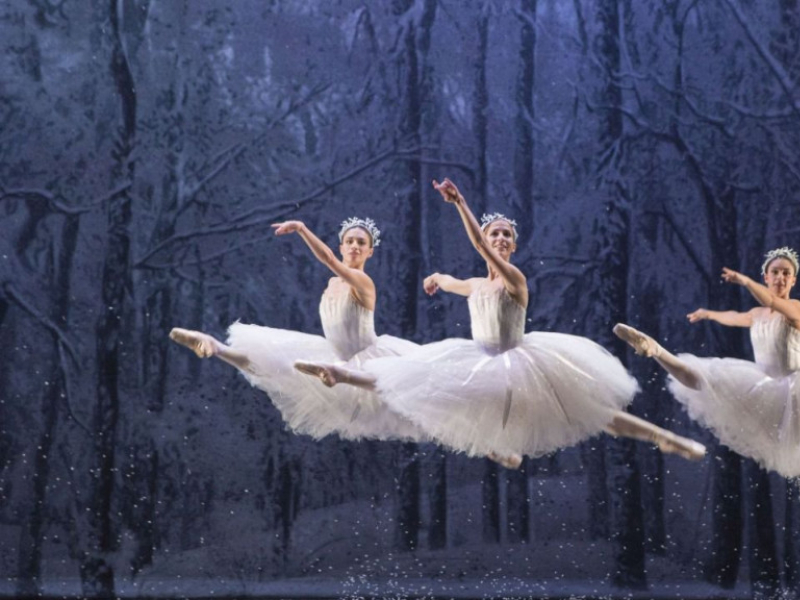
Classical ballet company with Nutcracker performance
Published :
11/20/2023 21:48:39
check_circle
check_circle