Myths of Classical Ballet
The ballet is one of the most admired artistic disciplines and, at the same time, one of the most surrounded by myths and stereotypes. From the idea that dancers only eat lettuce to the belief that ballet is only for women, many of these statements do not reflect the reality of this demanding and beautiful profession.
In this article, we will deny the most common myths about ballet and explain the truth behind them.
1. "Ballet is only for girls"
Many think that ballet is an exclusive activity for women, but men are also a fundamental part of this discipline.
Reality:
Ballet is a discipline for men and women. Male dancers play essential roles and require strength and agility to perform jumps, turns and lifts. Throughout history, great dancers such as Mikhail Baryshnikov and Rudolf Nureyev have shown that ballet has no gender, and male dancers are essential for classical and contemporary choreographies.
2. "It's too late to start ballet after childhood"
Many believe that you can only practice ballet from an early age to become a professional.
Reality:
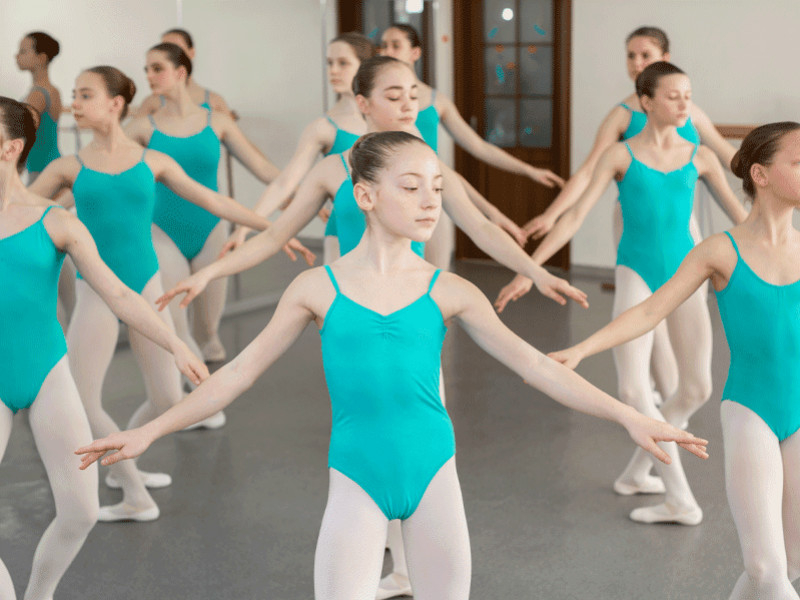
Although it is true that ballet dancers usually start from an early age to develop a solid technique, it is never too late to start. There are numerous examples of people who have started ballet in adolescence or even adulthood and have managed to become competent dancers. The key is dedication, patience and constant training.
3. "Ballet dancers are not athletes"
This myth minimizes the physical demand of ballet, mistakenly comparing it with other less intense activities.
Reality:
Ballet is a physical discipline that requires strength, endurance, flexibility and control. The dancers perform jumps, turns and other movements that require a physical and mental preparation comparable to that of a high-performance athlete. The intensity of the rehearsals, the technical precision and the ability to sustain movements for long hours make the dancers exceptional athletes.
4. "Ballet ⠀ boring"
Many believe that ballet is a monotonous and emotionless art form.
Reality:
Ballet is a dynamic and emotionally intense art form. Although classical ballet can be perceived as static or rigid, contemporary dance and the fusion of styles have taken ballet to a more exciting terrain. Modern works incorporate contemporary music, innovative visual effects and a bolder choreography.
5. "The dancers only eat salads"
It is common to think that dancers have extremely restrictive diets, limiting themselves to eating only light foods.
Reality:
It is a common myth that ballet dancers follow strict and limited diets. While it is true that many pay attention to what they eat, dancers need a balanced diet that includes proteins, carbohydrates and healthy fats to maintain their energy and strength. A well-nourished dancer has a better performance in his rehearsals and prevents injuries.
6. "The ballet deforms the feet"
This myth arises from the misunderstanding about the impact of pointe shoes and the technique on the feet of the dancers.
Reality:
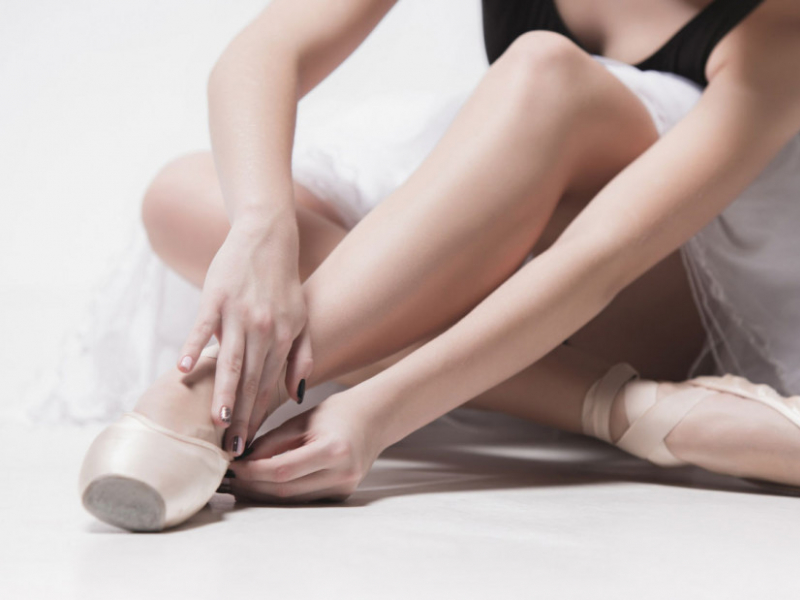
Although it is true that pointe shoes and ballet technique can cause tension in the feet, ballet well practiced and with an adequate technique does not have to deform the feet. Dancers must learn to use their feet correctly to avoid injuries. With the proper technique and the use of orthopedic insoles when necessary, dancers can avoid deformations.
7. "The pointed shoes last a long time"
Many believe that a dancer wears the same pair of pointed sneakers for months or years.
Reality:
Tip shoes have a very short useful life. A professional dancer can spend a pair of shoes in just one week or even on a performance.
Due to the intensity of training and the demands of ballet, the shoes wear out quickly, and dancers must change them constantly.
8. "Ballet ⠀ easy"
This myth trivializes ballet, making us believe that it is a simple and challenge-free form of dance.
Reality:
Ballet is not easy; on the contrary, it is one of the most physically demanding disciplines. Dancers must master a rigorous technique, develop great flexibility and strength, and have the ability to perform complex movements with grace and precision. The amount of time and effort needed to master ballet makes it an extremely demanding discipline.
9. "Ballet doesn't hurt"
Some people believe that dancers do not experience pain while training.
Reality:
Ballet training can cause muscle pain, blisters, and sometimes even injuries. Due to the repetition of movements and the physical load, the dancers face certain levels of discomfort. However, dancers learn to manage pain, and discipline teaches them to continue working despite the discomfort, always with the aim of improving their technique.
10. "Ballet dancers can't have muscles"
It is common to think that dancers should be extremely thin and without visible muscle.
Reality:
Ballet requires muscle strength. Although ballet dancers are usually thin, this does not mean that they do not have muscles. The legs, abdomen and back of the dancers are extremely toned and strong. The image of an extremely thin dancer is changing in the industry, and now strength, flexibility and health is more valued than the simple fact of being thin.
11. "Ballet is only based on memorized steps"
Some people think that ballet is just a sequence of steps that must be memorized without any kind of creativity or emotion.
Reality:
Ballet is not only about memorizing sequences of steps. Ballet dancers must be able to interpret and express emotions through movement. Through dance, they tell stories, communicate feelings and connect with the audience at a deeper level than simply performing a choreography.
12. "Dancers can't do other dance styles"
Many believe that ballet dancers should focus exclusively on this discipline and cannot practice other dance styles.
Reality:
Although ballet is considered a basis for dance, many ballet dancers also practice other styles of dance, such as contemporary dance, jazz and even urban dance. The technique acquired in ballet allows them to approach other styles with ease and enrich themselves with different techniques.
13. "Ballet is only for thin people"
This myth has been one of the most persistent in popular culture, especially about women in ballet.
Reality:
Ballet has historically been associated with thin bodies, but today diversity is being more appreciated. Ballet companies are recognizing that dancers of different sizes and shapes can also be extraordinary on stage. Technical skill and artistic expression are much more important than body size.
14. "You can't be a dancer if you don't have a high instep"
Many believe that to be a successful dancer you must have a very high instep, almost perfect.
Reality:
The high instep can help dancers achieve a more aesthetic line, but it is not a requirement to be a great dancer. Dancers with different types of feet can learn to use their body and work with their limitations to obtain the best possible technique.
15. "Ballet has no emotional impact"
This myth suggests that ballet is just a physical exercise, without emotional connection with the audience.
Reality:
Ballet is a form of deeply emotional art. Dances like Coppélia, Sleeping Beauty or Swan Lake tell stories full of feelings, betrayal, love and tragedy. Dancers not only perform movements, but transmit emotions to the audience, which makes ballet a moving experience.
16. "Ballet dancers don't use weights in their training"
Many think that ballet training is limited to practice in the studio, without the need for other types of exercises.
Reality:
Ballet training is often complemented with weights, yoga, pilates and other exercises to develop functional strength, increase flexibility and improve balance. This allows dancers to keep their body in optimal conditions to perform complex and demanding movements.
17. "The tips are used from the first day"
This myth suggests that dancers start wearing pointe shoes immediately, which is not true.
Reality:
The use of pointe shoes is an important step that must be taken when the feet and legs are sufficiently strengthened and prepared. Generally, dancers begin to wear tips after several years of training to avoid injuries.
18. "Only rich dancers can train ballet"
Many believe that ballet training is inaccessible due to the high costs of classes and costumes.
Reality:
Although some ballet schools are expensive, there are many schells, public training programs and non-profit schools that provide access to talented young dancers, regardless of their economic situation. Ballet is starting to become more accessible to everyone.
19. "Ballet dancers cannot have a partner or social life"
This myth suggests that dancers sacrifice their personal life for their artistic career.
Reality:
Although ballet requires a lot of rehearsal time and dedication, dancers can have relationships, friends and a balanced social life. It is important to manage time, but having a personal life off stage is also possible.
20. "If you're not a professional dancer at 18, you can't do it anymore"
This myth says that if a professional ballet career is not achieved before the age of 18, there is no longer an opportunity.
Reality:
Each dancer has his own path and rhythm of development. Although many dancers begin their professional career at a young age, there are also examples of dancers who have started their training later and have been successful. passion, dedication and constant work can lead anyone to achieve their goals, regardless of their age.
Conclusions
Despite the false myths of classic ballet, this discipline is much more than tutus, tips or "perfect" bodies: it is an accessible art for all genders, ages and body types, which combines technique, strength, discipline and emotional expression. Knocking down these prejudices reveals that ballet is not only aesthetics, but a path of passion, creativity and well-being integral. Learning ballet, perfecting your technique or discovering its multiple benefits is no longer reserved for a few: anyone can explore, enjoy and develop through this form of art. Overcome the stereotypes of classical ballet and immerse yourself in a world where constancy, strength and expression are transformed into your best version.
Share this content