Ballet Weekend Madrid: teachers, heritage and new dance languages
A dance meeting where tradition and creation dialogue
DO YOU WANT TO PARTICIPATE?
Workshops, meetings and experiences open to professionals, students and the public.
Dance is transformed, but it also retains a memory that passes from teachers to performers and from one generation to the next. Ballet Weekend Madrid was born precisely around that idea: to create a space where heritage, professional experience, training and new languages can be found through practice and reflection.
The project began to be conceived in October 2024 and held its first edition on February 22 and 23, 2025, in collaboration with the Nacho Duato Academy. Those theoretical-practical days brought together figures such as Aída Gómez, Nacho Duato, Ana Abad Carlés, Muriel Romero, Marlon Dino, Luisa María Arias, Irina Nefodova Skulskaya and Juan Bockamp.
After that first experience, the project continues to grow. Thus, its programming brings together different teachers, generations and languages to turn Madrid into a place to learn, observe, share and continue thinking about dance from the body.
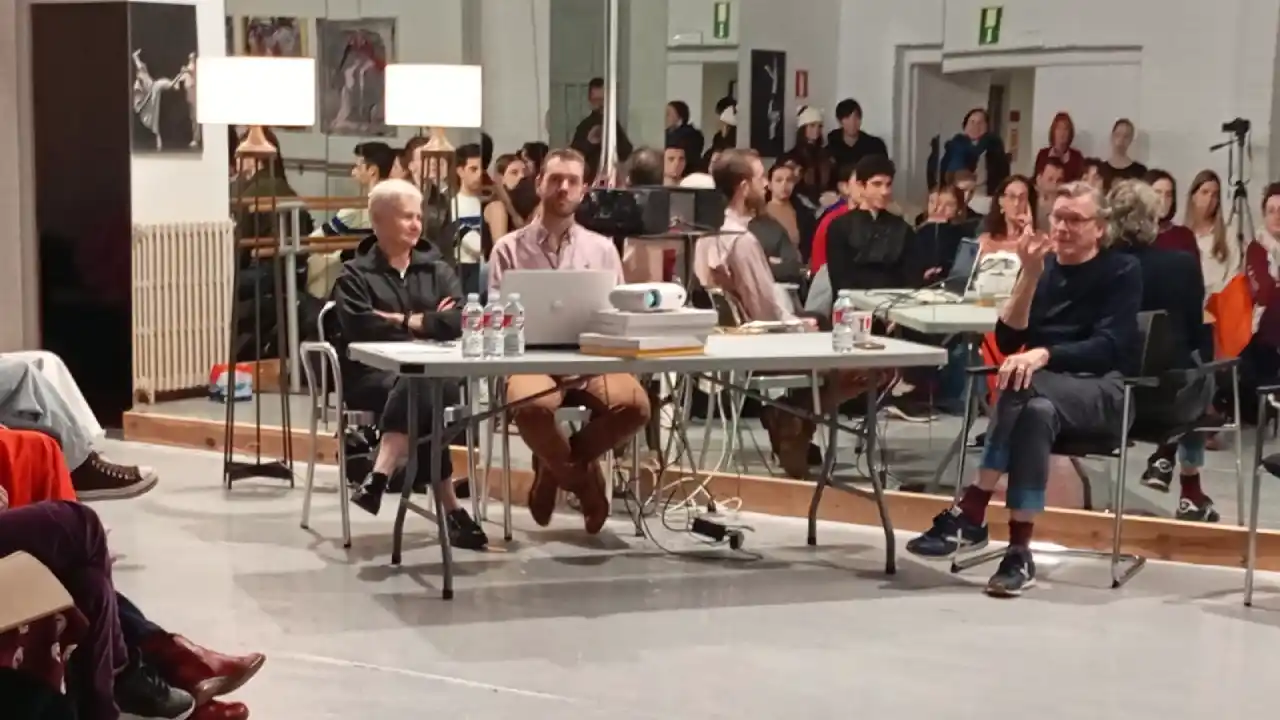
A dance meeting in Madrid between tradition and contemporaneity
One of the principles of the project is to understand tradition not as something immobile, but as a living heritage. That is, a knowledge that is received, interpreted and also transformed.
Therefore, the programming brings together classical dance, historical dance, folklore, Spanish dance and contemporary choreographic languages. In addition, it incorporates repertoire, improvisation, composition and body research.
This diversity allows us to observe how different techniques and styles can dialogue with each other. At the same time, it places the interpreter at the center of an experience that combines technical learning, musicality, interpretation and artistic knowledge.
Ballet Weekend Madrid: learn directly from the experience
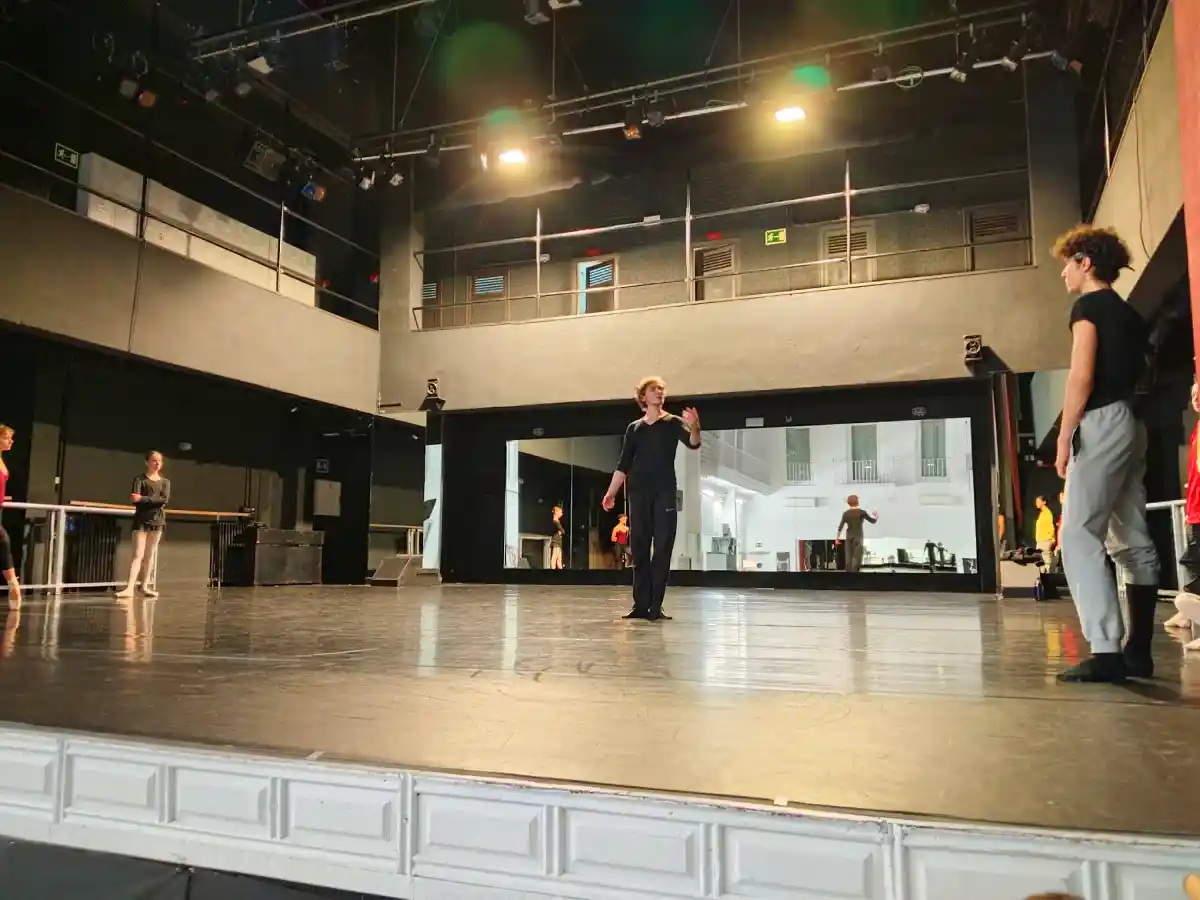
Contact with professionals with extensive experience is one of the axes of Ballet Weekend Madrid. The proposal seeks that the knowledge accumulated over years on stages, studios, companies and classrooms can be transmitted directly to new generations of dancers and professionals.
However, the meeting is not limited to the professional field. Certain proposals, especially those related to historical dance and folklore, allow us to approach the movement from curiosity, experience and the desire to learn, opening participation to diverse profiles.
A format that favors dialogue
The conferences combine practical workshops with gathering spaces with the guest teachers. In this way, the word complements what has previously been experienced with the body and allows you to share questions, knowledge and experiences.
Training and dance experiences open to different audiences
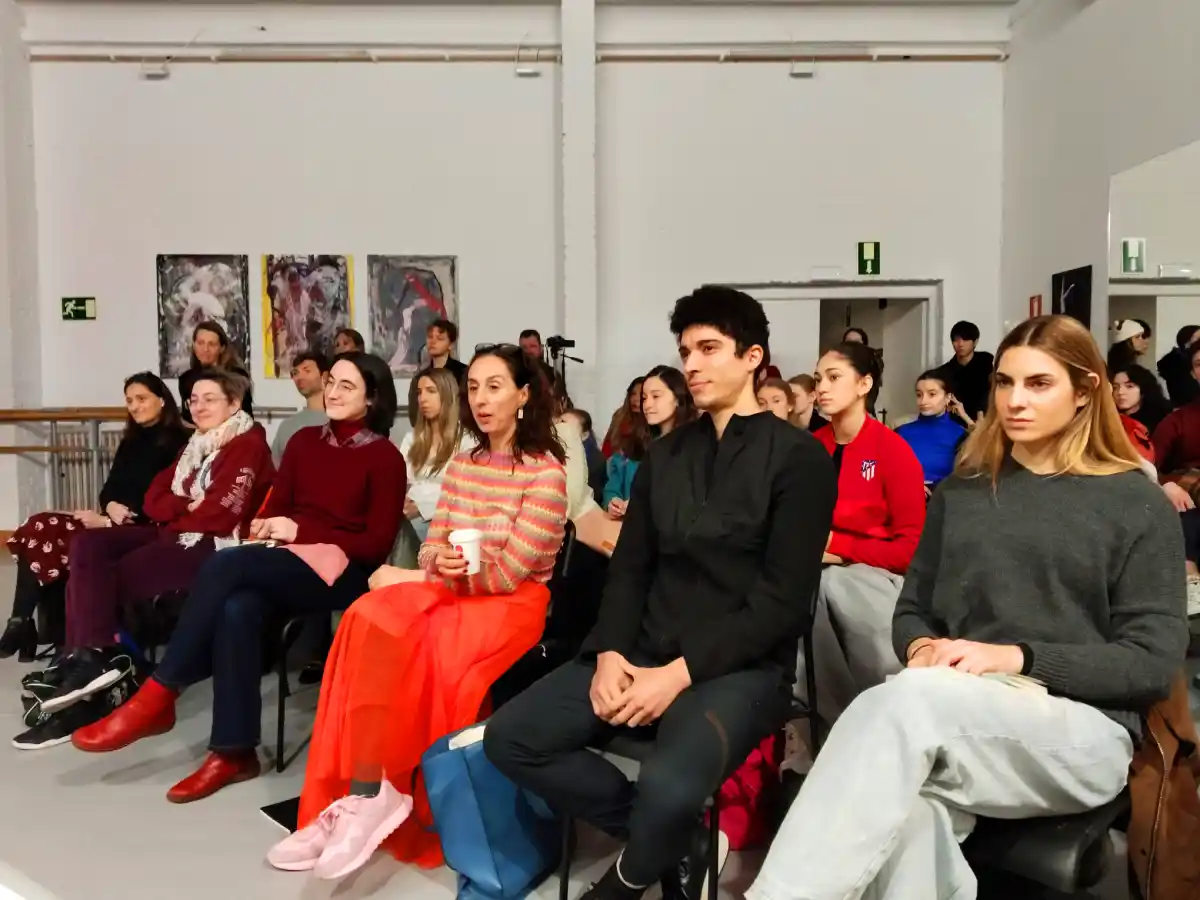
Óscar Torrado and Luisa María Arias open this journey from two complementary perspectives. While Torrado proposes a classical dance work focused on musicality, control and coordination, Arias addresses the contemporary choreographic language through Jardí Tancat, by Nacho Duato.
Subsequently, María José Ruiz Mayordomo proposes a day of historical dance dedicated to the Spanish galland and the villain. José Manuel García, for his part, addresses the jota and the fandango as manifestations of a heritage that continues to be transformed through interpretation.
These conferences especially show the will to expand the meeting beyond specialized training. Thus, different audiences can approach the dance, participate and discover from within languages that are part of the cultural heritage.
Choreographic heritage and new languages in motion
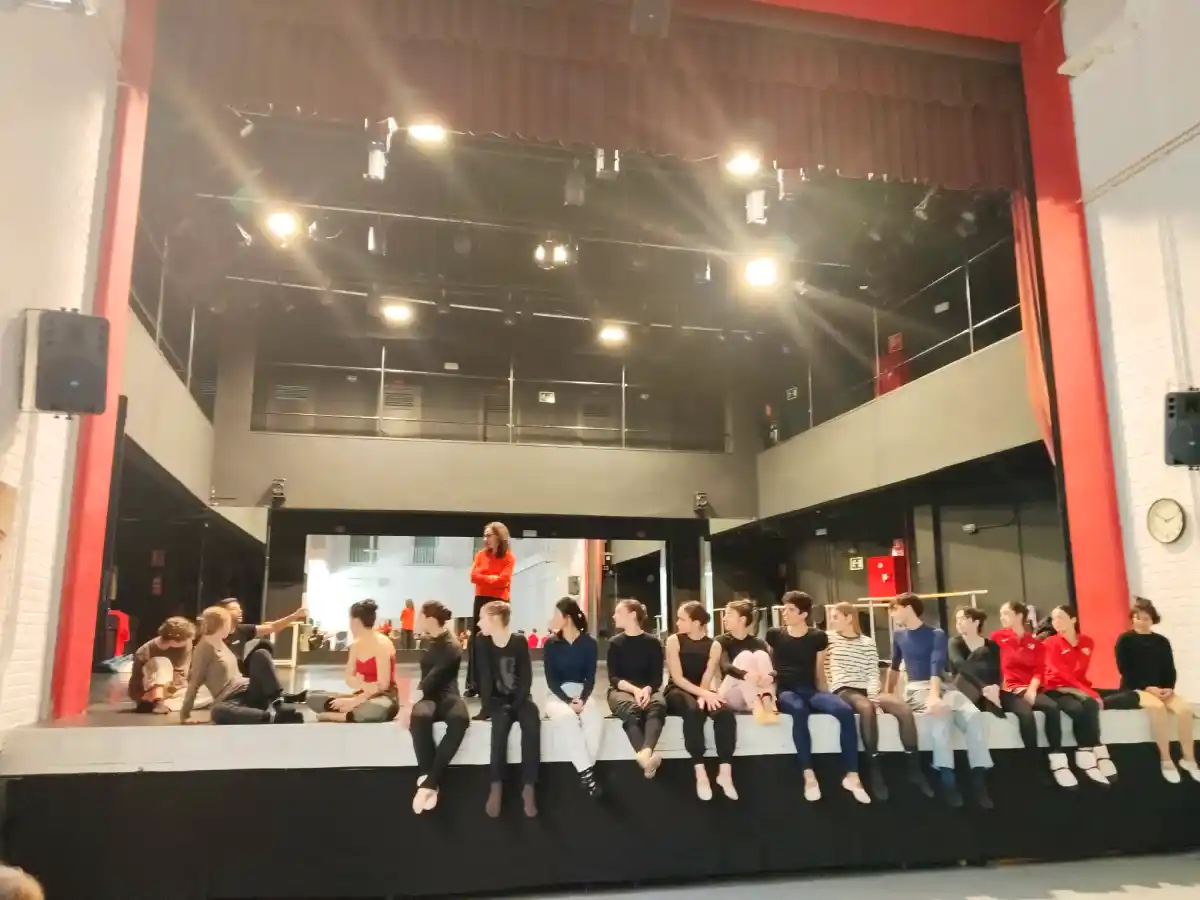
The tour continues with Darío Mealli and Víctor Mateos Arellano. The day combines Gyrokinesis® for dancers with an approach to the contemporary repertoire through Dust and Light, by Alonzo King.
Simo, Muriel Romero stars in a meeting and workshop dedicated to choreographic composition techniques. Dancer, choreographer, researcher and cultural manager, she is director of the National Dance Company and co-founder and co-director of the Stocos Institute. His career connects the body and dance with technology and new scenic languages.
José Manuel Buzón, for his part, connects improvisation, choreographic composition, Spanish repertoire and Spanish neoclassical dance. Works such as Ritmos, by Alberto Lorca, or Bolero, by José Granero, allow us to investigate how to receive and transmit a repertoire respecting its essence and, simultaneously, keeping it alive.
Finally, Aída Badía works classical dance and interpretation from the character of Mercedes of Don Quijote, according to José Martínez's version for the National Dance Company.
Ballet Weekend Madrid: a community around dance
Ballet Weekend Madrid aims to generate links between dancers, teachers, researchers, musicians, amateurs and people interested in discovering dance from within. One of its differential characteristics is precisely to open the space for training and creation to a wider community.
For that reason, the days are not considered as meetings closed exclusively to professionals. Together with students and national and international external participants, the public can approach the pedagogical and artistic processes from different forms of participation and observation.
Look, practice, ask and share
The presence of the public also provides a different dimension to the classroom. The workshop can become a shared experience, close to the concept of taller-show: the teacher transmits, the participants work and those who observe are part of an atmosphere that transforms the energy and the way of living the artistic process.
A dance season that culminates with a special edition
The tour culminates with a special edition dedicated to International Dance Day under the title "Dance in Spain. Heritage, artistic transmission and new languages".
For two days four practical workshops, a plenary conference, a round table and brief communications are combined. In this way, artistic practice, research and reflection find the same space, favoring the exchange between artists, teachers, researchers, students and dance professionals.
A dance project with a vocation of continuity
From that first edition of February 2025 to its current programming, the project maintains the same basic question: how to transmit the knowledge of dance and, at the same time, allow it to continue evolving?
The answer is in the bodies, but also in those who teach, investigate, interpret, create and observe. Therefore, Ballet Weekend Madrid wants to be a meeting point between generations and an opportunity to approach dance from its history, its present and its future possibilities.
Madrid, a space to experience dance from within
The conferences are held at Factory Ballet Madrid, on Santa Hortensia Street, 23. A proposal for those who want to continue learning, but also for those who want to discover other languages, closely observe the creation processes and be part of a community built around dance.
Share this content