Royal Opera House

The Royal Opera House, located in the heart of London's historic Covent Garden, is one of the most influential and prestigious cultural centers in the world. This majestic theater has been the scene of the most important productions of opera and classical ballet, housing legendary figures and being the cradle of the development of British performing art. Its history, rich in transformation and renewal, reflects the evolution of the artistic taste of the United Kingdom and its impact on a global level.

Interior view of the Royal Opera House with its elegant red seats and the main stage, an icon of performing art in London
The majestic auditorium of the Royal Opera House, with its classic design and perfect acoustics, has been the scene of the greatest opera and ballet productions in the United Kingdom.

Origins and history

The theater was originally inaugurated in 1732 with the name of Theatre Royal. From its early years it was conceived as a space dedicated to the entertainment of the London aristocracy. In the 19th century, after several fires, it was rebuilt on multiple occasions, finally adopting its current structure in 1858.

It was in 1892 when the building was renamed Royal Opera House, and was consolidated as the official headquarters of both the Royal Opera and the Royal Ballet, thus establishing a tradition of artistic excellence.

Architecture and facilities

The architecture of the Royal Opera House combines classic elements with modern touches after its comprehensive renovation in 1999. The current design offers:

  • The large auditorium with capacity for more than 2,000 spectators, with exceptional acoustics and visibility.
  • The Paul Hamlyn Hall, an elegant glazed room for events, which was formerly the Covent Garden floral market.
  • Rehearsal studios, dressing rooms and educational spaces.

This fusion between past and present makes it one of the most beautiful and functional spaces for the presentation of performing arts in Europe.

The Royal Ballet and the Royal Opera

El Royal Opera HouseIs home to two of the most important companies in the United Kingdom:

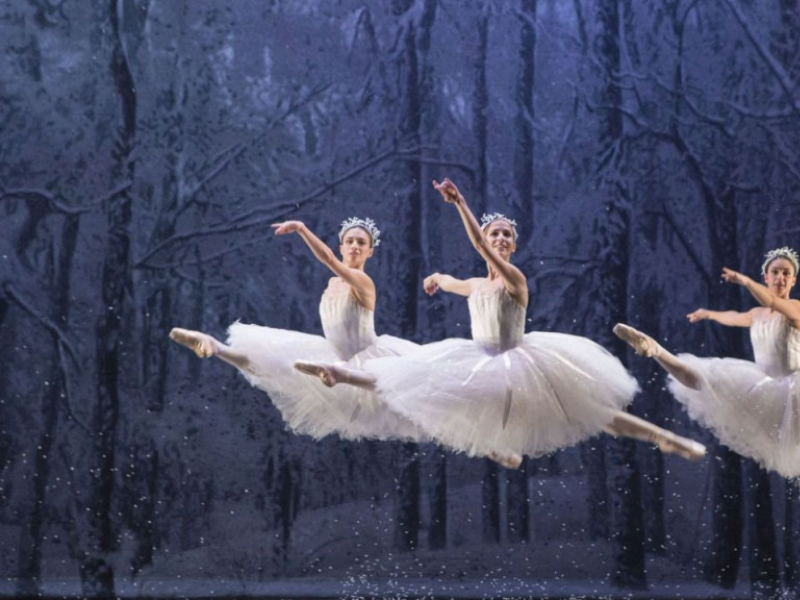
  • The Royal Ballet, One of the most internationally recognized ballet companies. Stars like Margot Fonteyn, Rudolf Nureyev y Darcey Bussell Have marked its history.
  • The Royal Opera, with repertoires ranging from the works of Mozart and Verdi to contemporary productions.

These institutions have given life to some of the most innovative productions and faithful to the artistic tradition.

Cultural importance

The Royal Opera House is much more than a theater. It is a symbol of British cultural identity and a meeting point for the performing arts worldwide. Through its educational and dissemination programs, it has promoted access to art for new audiences, both in the United Kingdom and abroad.

It has also been the scene of state events, world premieres and historical presentations that have been engraved in the collective memory of European art.

Modernization and digital access

With the arrival of the digital age, the Royal Opera House has been able to adapt. Today it offers:

  • Live broadcasts of its productions in cinemas around the world.
  • Streaming platforms to watch shows from home.
  • Online files with recordings, interviews and documentaries.

This technological opening has allowed new generations to approach the world of classical ballet and opera with ease and quality.

Conclusion

The Royal Opera House is much more than a theater: it is a living monument to the history of ballet and opera. From its origins in the 18th century to its role as a scenic vanguard in the 21st century, it has been able to maintain its prestige and relevance. His legacy continues to grow every season, reminding us that art, when it is authentic, transcends time.

Share this content

Related posts

Add a comment