The Origin of the Tips in Classical Ballet
Categories :
Articles about Classical Ballet

Share this content
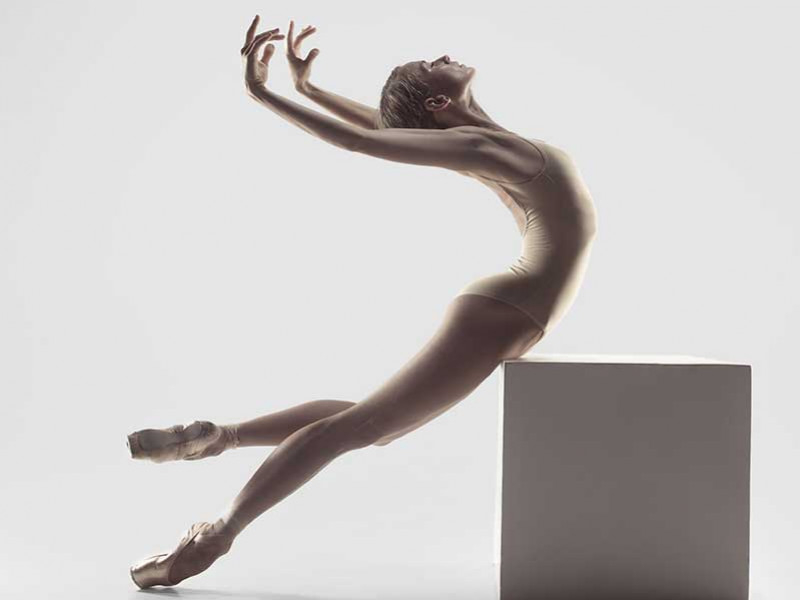
The classical ballet is one of the most refined and elegant forms of art, recognized for its graceful technique and the way in which dancers seem to defy gravity when dancing on tiptoe. This achievement, which amazes both audiences and dancers, has a fascinating origin that reflects the evolution of art, fashion and technique on stage.
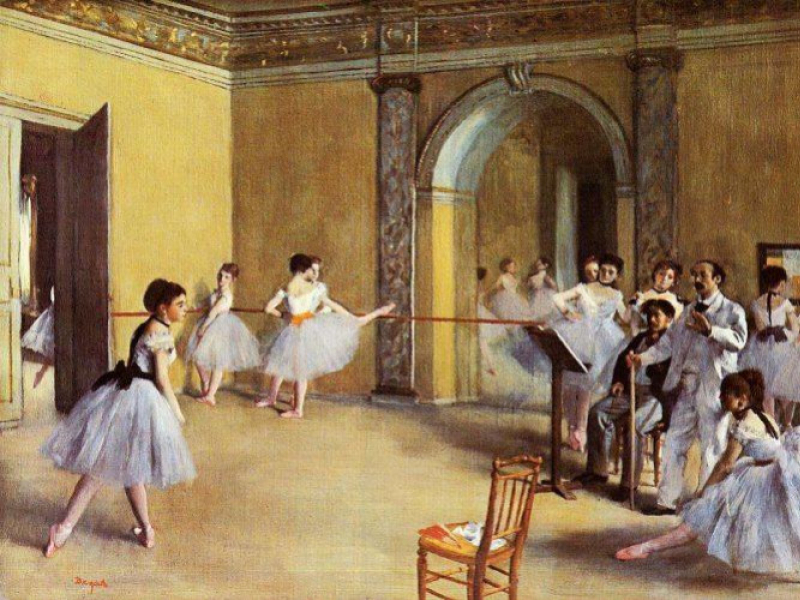
Ballet as an art form emerged in the Renaissance, initially as a courtly entertainment in Italy and then as a refined tradition in the court of France under the reign of Louis XIV. During the 16th and 17th centuries, dancers wore adorned flat shoes, since the priority was the art of gestures and movement patterns, rather than the technique we know today.
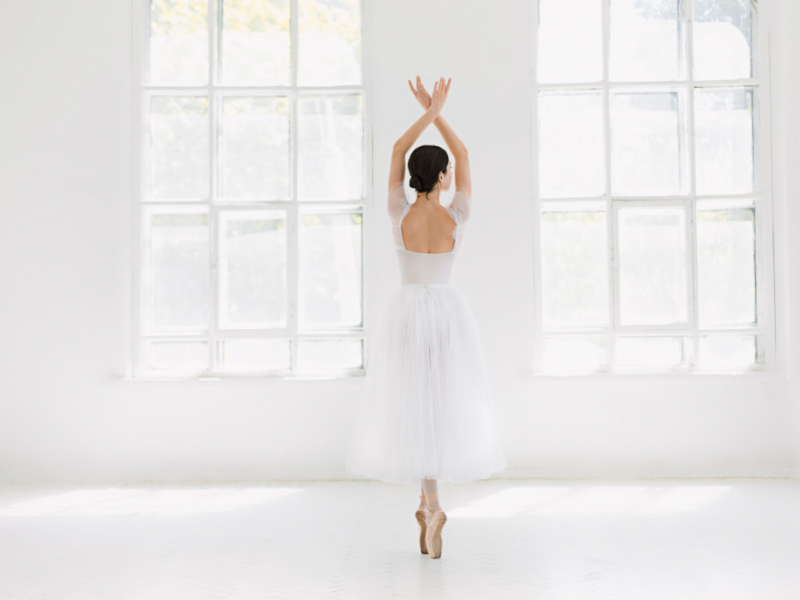
The aesthetics of Romanticism: Romantic narratives exalted lightness, the ethereal and the supernatural. Female characters were often fairies, sylphs or spiritual beings. Walking and dancing on the tips allowed the dancers to look more delicate, almost floating in the air, which helped reinforce this aesthetic.
Technical innovation: Dancers like Marie Taglioni, considered a pioneer of dance in spikes, transformed dance by popularizing this technique. Taglioni became an icon thanks to his interpretation of La Sylphide (1832), a work that encapsulated the romantic spirit. At that time, the tips did not have reinforcements like today's; the dancers had to rely on their strength and precision.
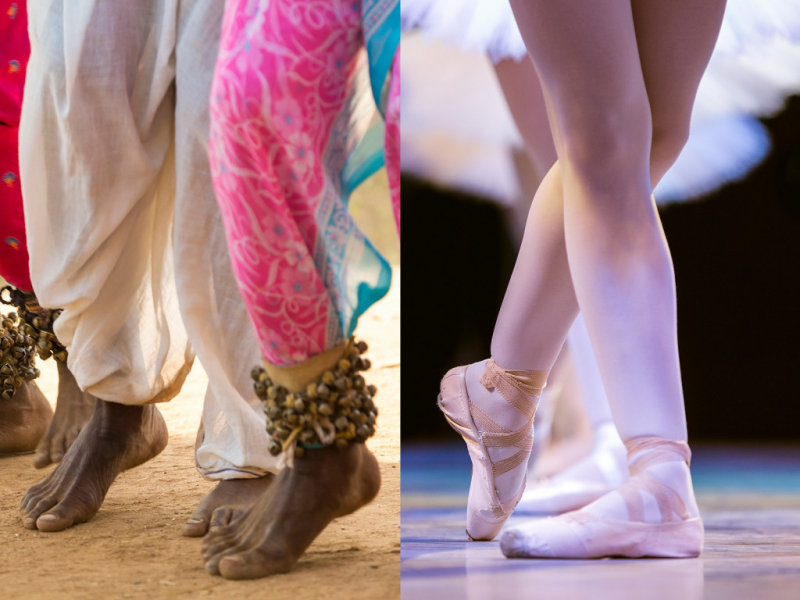
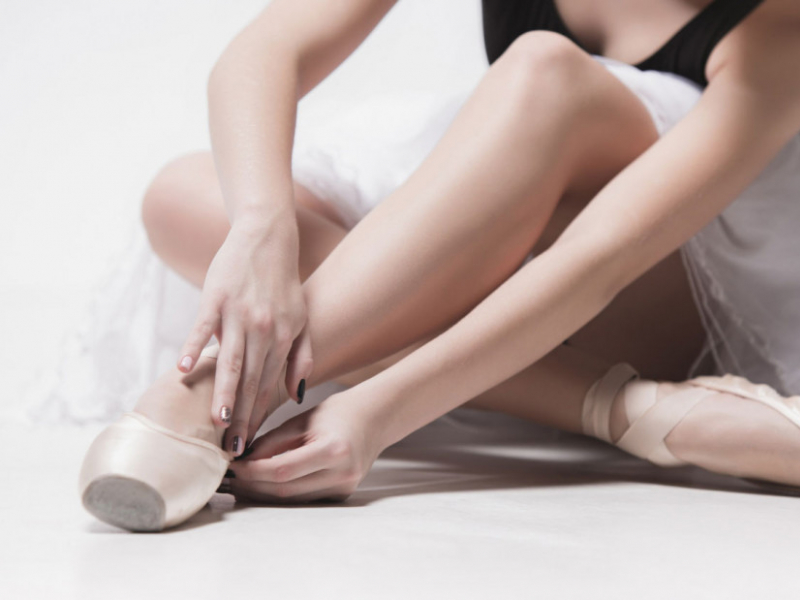
Initially, the ballerinas' sneakers were similar to flat and soft fabric shoes. It was not until the end of the 19th century that the shoes began to include reinforcements at the tip to provide greater support. This change was essential to increase stability and allow more complex movements on the tips.
For example, Pierina Legnani, famous for being the first dancer to perform 32 consecutive fouettés, used shoes with a reinforced construction. This marked the beginning of the development of modern toe shoes, which now include a hard case on the toe and a reinforced sole.
The use of tips in ballet is not only a technical feat; it is also a symbol of the dedication and sacrifice of the dancers. The ability to dance on tips requires years of training, strength in the feet and legs, and impressive endurance.
Today, the tips continue to be an iconic element of the classic ballet, representing not only the historical legacy of art, but also the constant aspiration of the dancers to reach the sublime.
From the delicate flat shoes of the Renaissance to the advanced modern pointe shoes, the evolution of this tool reflects the technical and artistic development of the classic ballet. The tips symbolize more than a technique; they are a bridge between the human and the ethereal, a testimony to the power of art to challenge the limits of the possible.
Share this content
Related posts
Children's Classic Ballet: integral development through dance.
Published :
02/15/2024 17:43:22
Classical ballet in adults in Madrid and its benefits.
Published :
01/22/2024 19:14:40
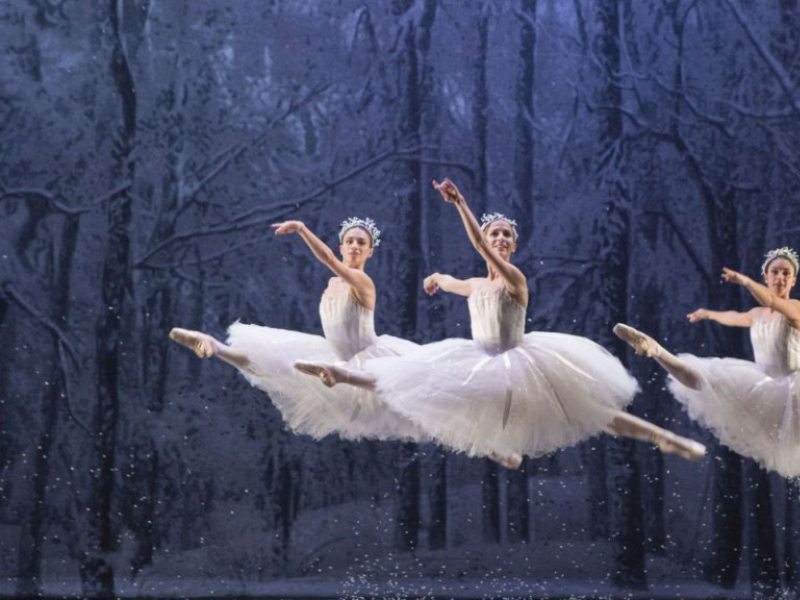
Classical ballet company with Nutcracker performance
Published :
11/20/2023 21:48:39
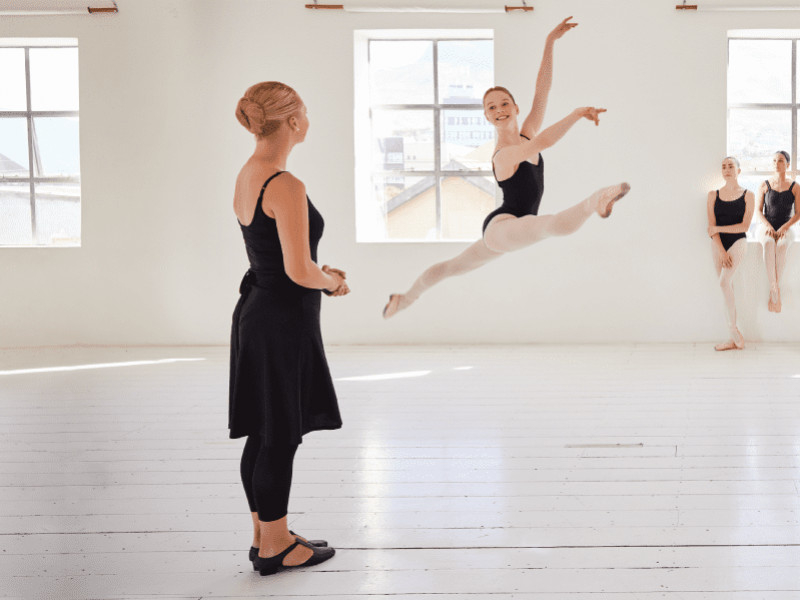
Professional training in classical ballet and its disciplines
Published :
05/17/2024 11:07:10

THE IMPORTANCE OF FOOD IN THE FORMATION OF CLASSICAL BALLET
Published :
12/16/2024 15:27:47
check_circle
check_circle