The French classical ballet method: technique and elegance
Categories :
Articles about Classical Ballet


Share this content
The French classic ballet is one of the oldest and most prestigious schools in the world of dance. Its origins date back to the 17th century, when King Louis XIV, a ballet enthusiast, founded the Académie Royale de Danse in 1661. This institution laid the foundations of classical ballet as we know it today, establishing a rigorous methodology based on precision, symmetry and grace.
Key fact: Louis XIV was also a dancer and was known as the "Sun King" for his interpretation in the "Ballet de la Nuit".
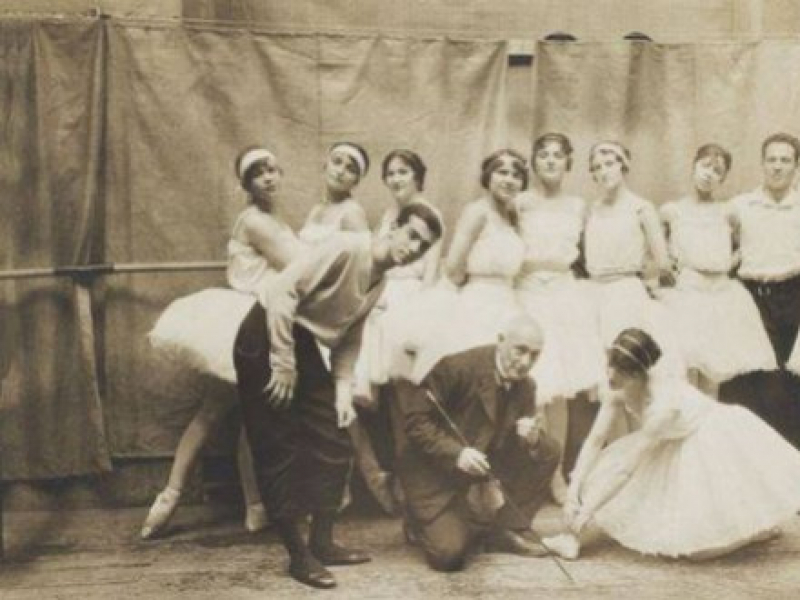
Over the centuries, the French method evolved thanks to the contribution of influential choreographers and teachers such as Pierre Beauchamp, who codified the five basic positions of ballet. Subsequently, the Dance School of the Opéra de Paris, established in 1713, became the epicenter of the academic training of French ballet.
The French method is distinguished by:
Elegance and fluidity: Soft and harmonious movements without abruptness.
Technical precision: Great emphasis on body alignment and muscle control.
Artistic expression: Both technique and emotional interpretation are valued.
Refined posture: Delicate bras port and impeccable transitions.
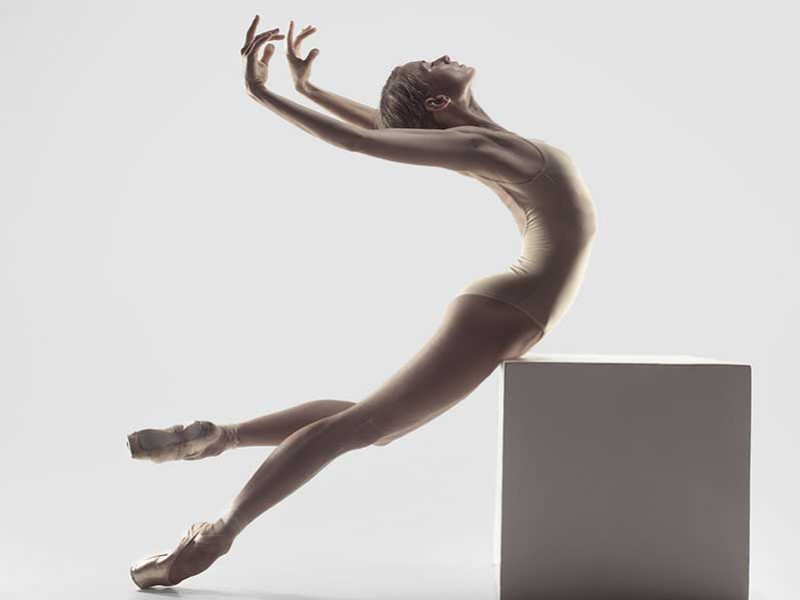
Use of the feet: Detailed work on flexibility and position of the foot.
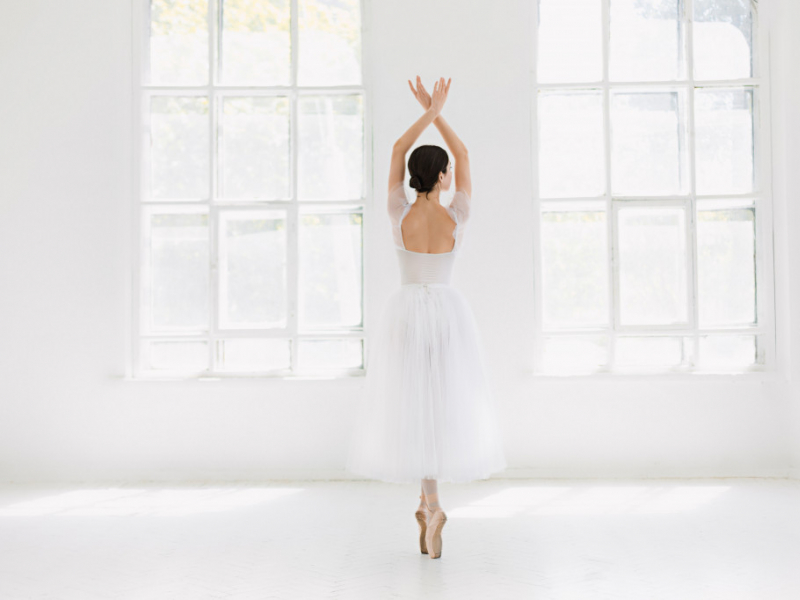
The French ballet technique emphasizes elegance, control and artistic expression.
French ballet differs from other classical methods in several aspects:
Method Vaganova (Russian):Focused on strength and dramatic expressiveness.
Cecchetti Method (Italian): Great use of speed and dynamics.
RAD method (inglés): Structured and progressive system.
Bournonville Method (Danish): It focuses on lightness, dynamic jumps and naturalness in interpretation.
The French system balances technique and art, creating versatile and refined dancers.
Today, the French method remains a world reference. The Dance School of the Opéra de Paris continues to train some of the best dancers in the world, maintaining the tradition of excellence and transmitting its legacy to the new generations.
French classical ballet is a jewel of the cultural heritage of dance. Its focus on precision, elegance and expressiveness make it one of the most appreciated methodologies in the world of ballet. Learning about its history and technique not only allows you to understand its relevance, but also to appreciate its impact on the evolution of classical dance.
The French method has influenced the creation of other techniques and has been adopted in ballet academies around the world. Schools in Europe, America and Asia have integrated elements of French methodology to improve the training of their dancers.
Many professional dancers have been trained in French technique and have brought their elegance to renowned companies such as the Ballet de la Opéra de Paris, the Royal Ballet and the American Ballet Theatre. His ability to combine technique and art has been key to his success on international stages.
French ballet continues to evolve, incorporating new approaches without losing its classical essence. The academies continue to perfect their teachings and adapt to the new generations of dancers who seek to combine tradition and modernity in their interpretation of ballet.
Share this content
Related posts
check_circle
check_circle