History of Marie Taglioni
Categories :
Articles about Classical Ballet

Share this content
Marie Taglioni is considered one of the most iconic figures in the history of classical ballet. Born on April 23, 1804 in Stockholm, Sweden, this Italian dancer stood out for her ethereal style, her innovative technique and her fundamental contribution to the development of romantic ballet. His legacy transformed classical dance forever, and his name remains synonymous with elegance and excellence in the world of ballet.
Marie was the daughter of the Italian choreographer Filippo Taglioni, who played a crucial role in her training. From an early age, Marie showed an exceptional talent for dance, although her father was known for subjecting her to rigorous training that included long days of practice to perfect her technique.
Despite not having the ideal proportions that were considered necessary for a dancer at that time, Marie compensated with grace, precision and an unparalleled technique that led her to stand out in an art that demanded perfection.
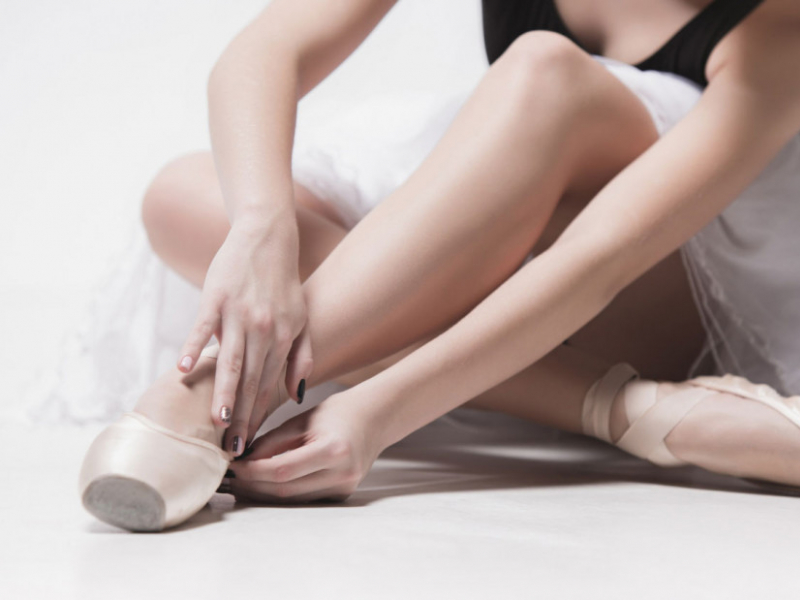
Marie Taglioni's debut took place in 1822 in Vienna, but it was in Paris, in 1832, where she reached the peak of her career with her interpretation of The Sylphide. This ballet, created by her father Filippo, not only marked a milestone in the history of romantic ballet, but also immortalized Marie as the first dancer to popularize the use of the tips in an artistic and symbolic way.
In her role as the sylph, an ethereal and supernatural being, Marie conveyed a sense of lightness and spirituality that became the hallmark of romantic ballet. His ability to defy gravity and seem almost floating on stage inspired generations of dancers.
Marie not only revolutionized the ballet technique with her pointed style, but also changed the perception of dance as an art form. Her elegance and dedication raised the standard of interpretation on European stages, and her influence transcended the borders of her time.
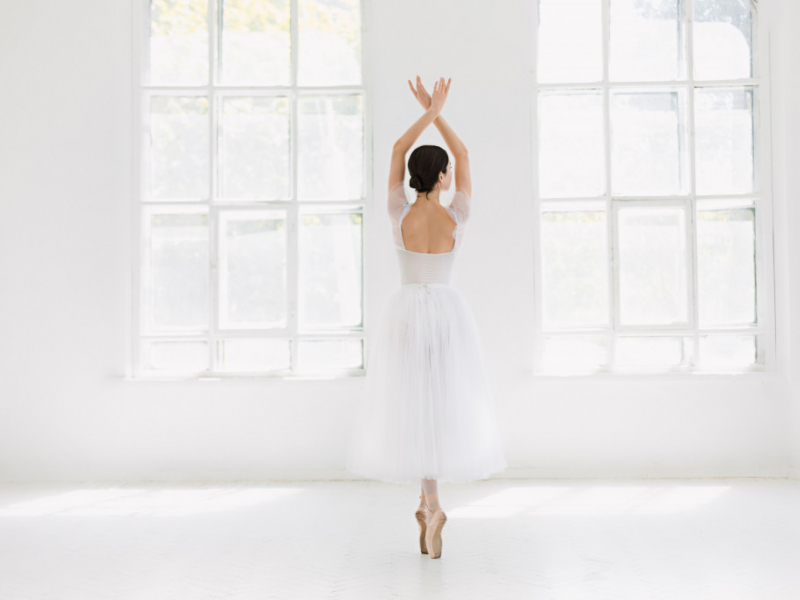
In addition, Marie Taglioni was one of the first dancers to use the romantic tutu, a white and vaporous dress that is still associated with classical ballet. This costume allowed to highlight the line and movements of the dancer, contributing to the aesthetics of the romantic period.
After a successful career, Marie retired in 1847. He spent his last years teaching and sharing his experience with future generations of dancers. He died on April 24, 1884 in Marseille, France, leaving an indelible legacy in the world of dance.
Marie Taglioni is a symbol of innovation and excellence in classical ballet. His influence on the development of romantic ballet and his technique on the tips continue to be a source of inspiration for dancers and choreographers around the world. Thanks to his art and dedication, ballet reached new heights, consolidating itself as one of the most admired forms of artistic expression of all time.
Share this content
Related posts
Classical ballet in adults in Madrid and its benefits.
Published :
01/22/2024 19:14:40
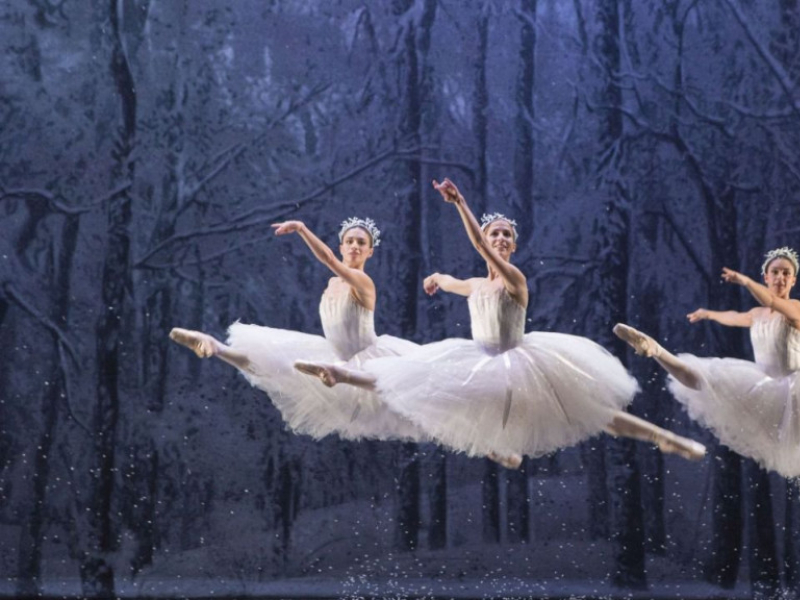
Classical ballet company with Nutcracker performance
Published :
11/20/2023 21:48:39
Children's Classic Ballet: integral development through dance.
Published :
02/15/2024 17:43:22
Professional training in classical ballet and its disciplines
Published :
05/17/2024 11:07:10

THE IMPORTANCE OF FOOD IN THE FORMATION OF CLASSICAL BALLET
Published :
12/16/2024 15:27:47
check_circle
check_circle